
Tech for Climate
at Oktoberfest
A private afternoon in the fully reserved Metzger Stubn Oktoberfest tent — for the family offices, funds of funds, private investors, and corporates behind climate deep tech, joined by a few hand-picked VCs and founders. Thursday, 24 September 2026 · 11:00–17:00 — come for an hour or stay for the afternoon.
Every September, Munich fills with founders and global capital — for Oktoberfest, PE Insights, and Bits & Pretzels. On the 24th, we’ve reserved the entire Metzger Stubn — a traditional Oktoberfest tent — for an afternoon with the capital behind climate deep tech, and a few of the best people building it.
By invitation only, from 11:00 to 17:00, with food and drinks served throughout. A room kept small on purpose, so every conversation is with someone worth meeting. There is no stage and no panel — but the afternoon does have a shape, so you can come for the part that matters to you and leave when you like. Two anchored conversations, and the rest of the day is yours.
Co-hosted by Tech for Impact & UnternehmerTUM
The afternoon is hosted by Seira Yun of the Tech for Impact Summit together with Simon Herzog of UnternehmerTUM, the center for innovation and business creation at the Technical University of Munich.
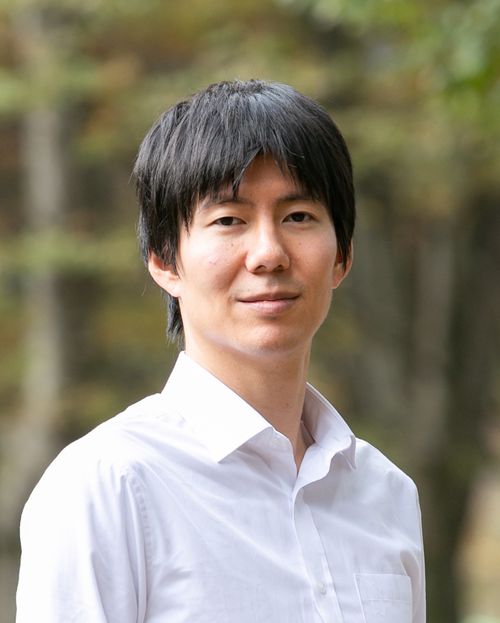
Seira Yun
Founder, Tech for Impact Summit
Tech for Impact Summit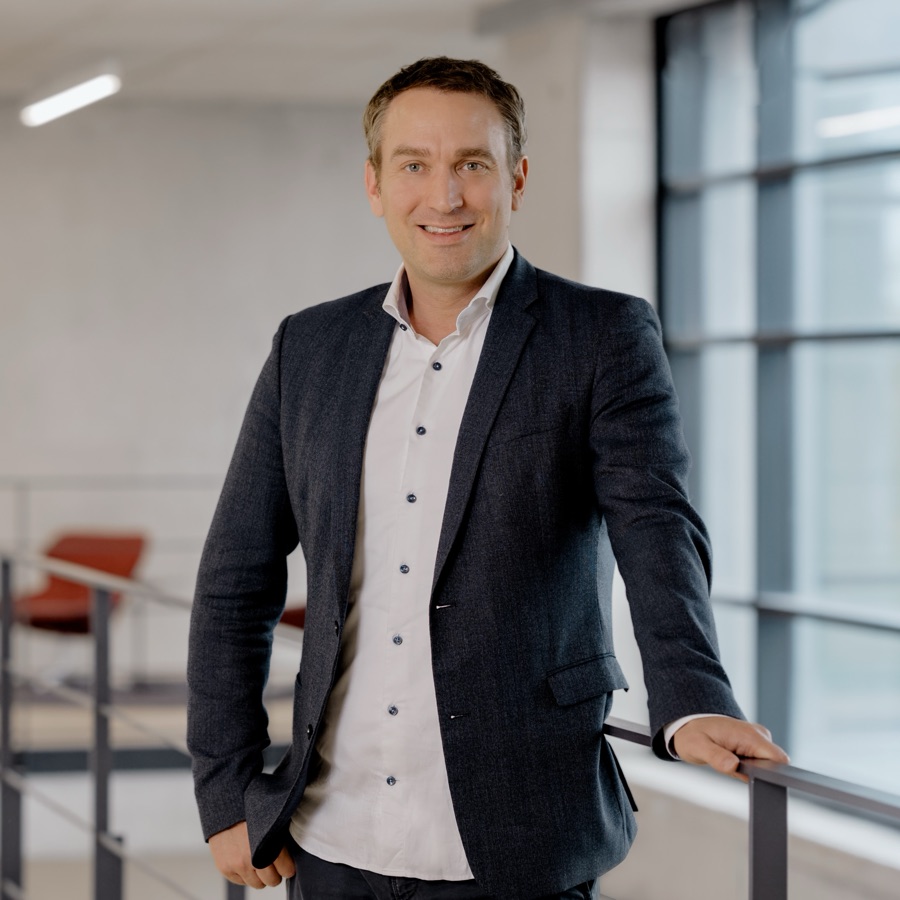
Simon Herzog
Head of Mobility Projects, UnternehmerTUM


Consulate-General of Japan in Munich
在ミュンヘン日本国総領事館
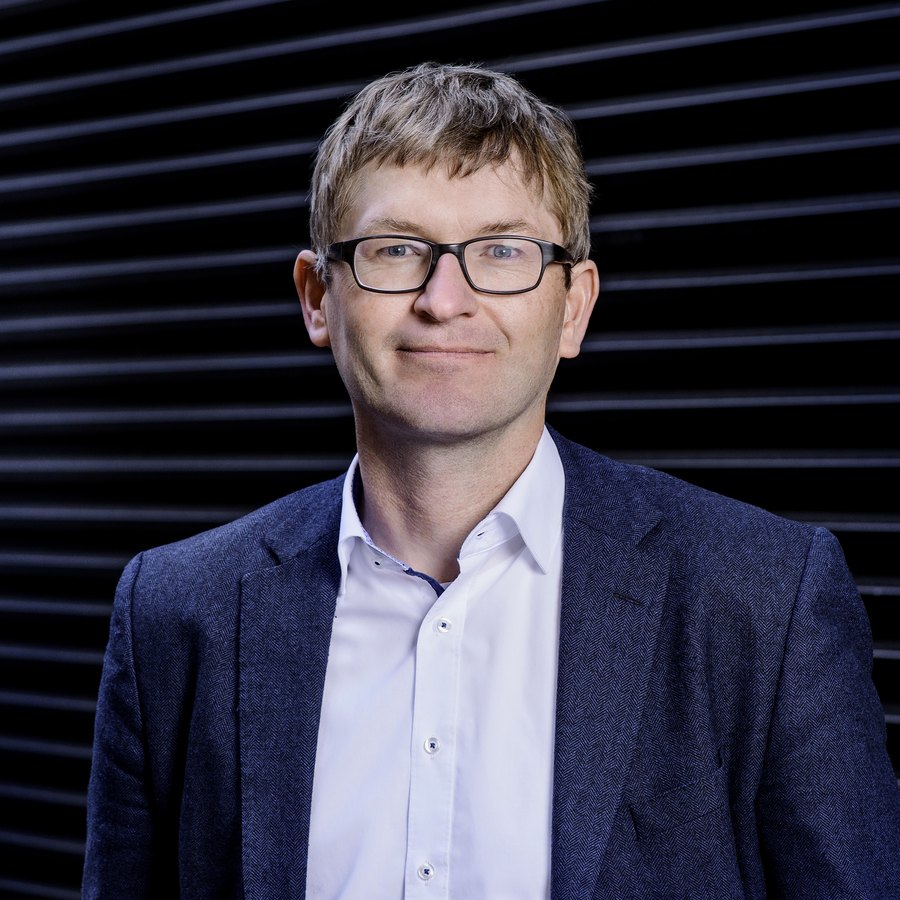
Prof. Dr. Helmut Schönenberger
Co-founder and CEO, UnternehmerTUM
“For almost 25 years I have brought researchers, founders and investors together in Munich. I know what makes such a gathering work, and Tech for Impact has it. It is by invitation only, its guest list curated by hand: founders, corporate leaders, family offices, investors and policymakers, from Japan, Europe and other regions, all senior decision makers. It cuts across industries, so energy, mobility, finance and manufacturing sit at the same table. It puts technology and impact on one agenda, with the people who can act on both in the room. Its Tokyo roots bring a Japanese corporate network into that room. It is built for collaboration: little time listening to a stage, much more working out what to do together, so people leave with a partner and a next step. The record shows it works: past gatherings have led to partnerships, corporate-startup collaborations and investment deals. In format and spirit it is truly creative and unique. I am glad to support Seira Yun in building it.”
A room built for the allocators
Solving climate means scaling hard technology — and hard technology needs patient capital: the family offices, funds of funds, private investors, and corporates who anchor the funds and companies doing the work. Yet the people allocating that capital rarely get unhurried time with each other — or with the best managers and founders in the field. A conference fills a hall; it doesn’t build a relationship.
So we’re building the room that’s missing. One full afternoon, a small group chosen by hand — primarily LPs, joined by a few selected VCs and climate deep-tech founders. No stage, no pitch clock — just the people who can move capital against the climate crisis, getting to know each other well enough to actually work together.
Primarily LPs — with a few selected VCs and founders
The room is built around the capital side: family offices, funds of funds, private investors, and corporates — with a strong Japanese corporate presence. A small, hand-picked group of VCs and founders completes it.
Japanese corporates will be present. Tech for Impact grew out of Tokyo, and we're bringing our Japanese network to Munich — corporate venture and strategy leaders from major Japanese corporates active in climate and deep tech. For funds and founders, it's a rare chance to meet Japan's corporate capital in one afternoon; for the corporates, a direct line into Europe's climate ecosystem.
Family offices
Single- and multi-family offices allocating to climate and frontier technology.
Funds of funds
Institutional and private FoFs building exposure to climate venture.
HNWIs & angels
Private investors and operator-angels active in climate and deep tech.
Corporates & strategics
Corporate venture and strategy leaders scouting climate innovation — including Japanese companies invited through the Consulate-General’s network.
Select VCs
A small number of hand-picked climate and deep-tech fund managers.
Select founders
A few exceptional founders building hard climate technology — energy, industry, materials, carbon, and adaptation.
Come for an hour, or stay for the day
It is a long afternoon by design, but nobody is expected to stay for all of it. Two conversations are anchored to a time so you can plan around them.
Tent opens
Arrive when you like. Bavarian lunch and drinks served throughout, live Stubn music playing, and the hosts are at the door.
Welcome Remarks
The music stops and the room gathers. Seira opens the afternoon, standing — the house rules, and how the next hour works. No stage, no ceremony.
Seira Yun Opening Remarks
Simon welcomes the room on behalf of UnternehmerTUM, the co-host.
Simon Herzog Strategy dialogues
The private hour for allocators. Small tables, each anchored on one question and led by a peer, under the Chatham House rule. Nothing is written up and nothing is read out afterwards. In parallel, VCs and founders hold their own tables on their own questions. The music stays off for the whole hour, so the quietest voice at a table is still the one you can hear.
Fireside I — Japan & sustainability
Two chairs on the tent floor, two microphones, no moderator and no slides. Japan has made sustainability binding for its industry, and its corporates are now deciding what to build, buy and partner on at scale — across energy and materials, and the networks and data centres that carry the load. What does it take for a European technology to actually get adopted there? The tent falls quiet again for it.
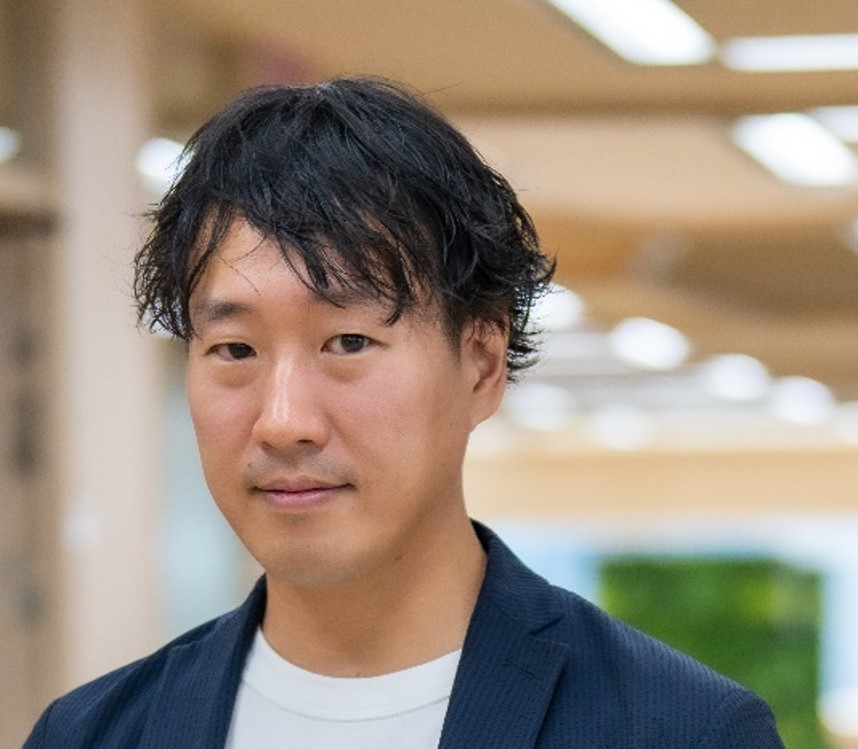 Itsuma Tanaka
 Live music & networking
The music comes back up. The hosts and a few briefed connectors help make introductions across the tables.
Fireside II — Can Europe build a sun?
A second fireside, same format — two chairs, two microphones, no moderator, no slides. Fusion, capital, and the race to a first power plant: can Europe build a sun, and who funds the attempt?
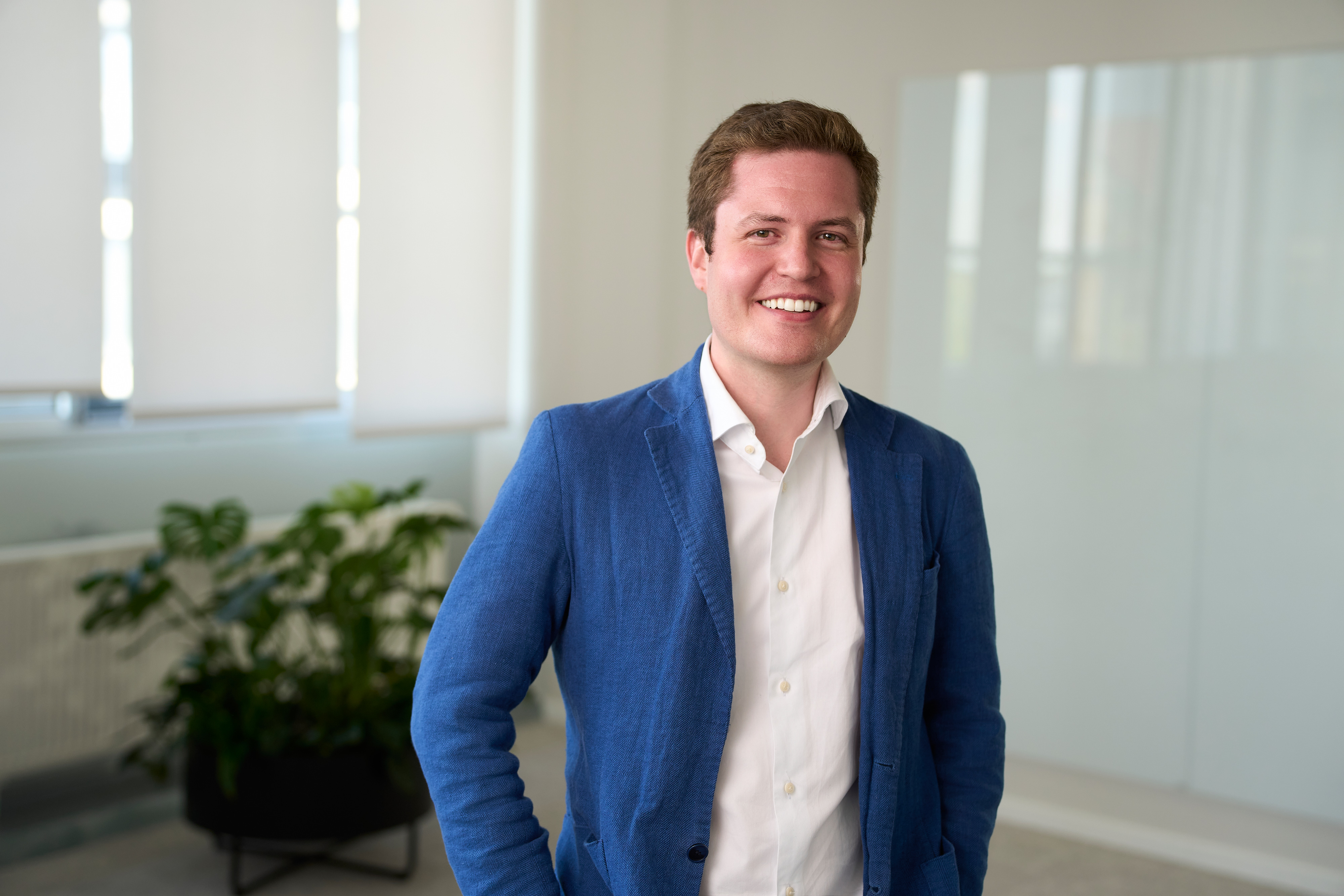 Lucio Milanese
 Live music & networking
Back up, and the loudest stretch of the afternoon — the Oktoberfest part of an Oktoberfest event.
Fireside III — From intention to allocation
A third and final fireside, same format. Everyone says private capital is moving into impact. What actually makes it move — and what quietly stops it?
Final conversations
The music settles. One last stretch to close a conversation, or make one more introduction, before the toast.
Closing toast
Gratitude only, no summary — then one last number from the band.
One question per table
Each table is led by a peer and carries a single question. Pick yours on arrival; if you come late, a steward will seat you.
Built in Europe, scaled with Japan
Japan’s corporates have to decarbonize. Europe’s startups have the technology. Why are so few of them building together — and what makes it work when they do?
Itsuma Tanaka Built in Europe, backed by Japan
Japan’s corporates want access to Europe’s climate technology, and Europe’s venture funds already hold it. What does it take for a Japanese corporate to make its first commitment to a European fund, and what does the fund have to offer in return?
Who pays to rebuild an industry?
Mobility has to re-tool while its margins are under pressure. Who finances that, and what does it mean for everyone selling into it?
Chaired by Simon Herzog Who can actually decarbonize a city?
Munich’s companies produce roughly half its emissions. If government can’t mandate the transition, who has the power to make it happen?
From Carbon and Nature Claims to Investable Climate Assets
Carbon markets, biodiversity outcomes and regenerative agriculture are increasingly framed as investable climate opportunities, yet many high-integrity projects still struggle to attract capital. What does it actually take to make one financeable at scale?
 Paula Auer-Saupe
 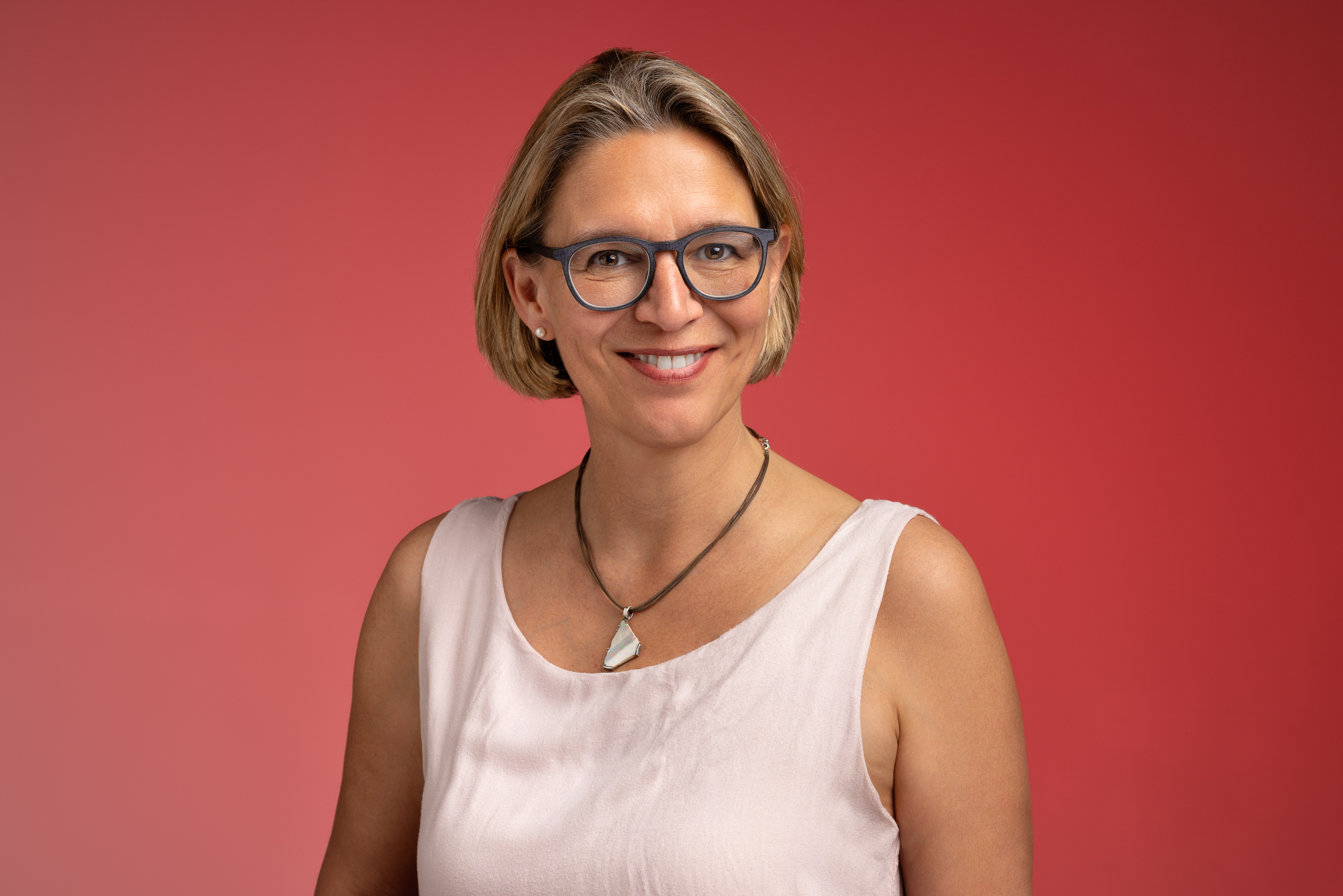 Dr. Sonja Stuchtey
 From interested to allocated
Everyone says private capital is moving into impact. What actually makes it move — and what quietly stops it?
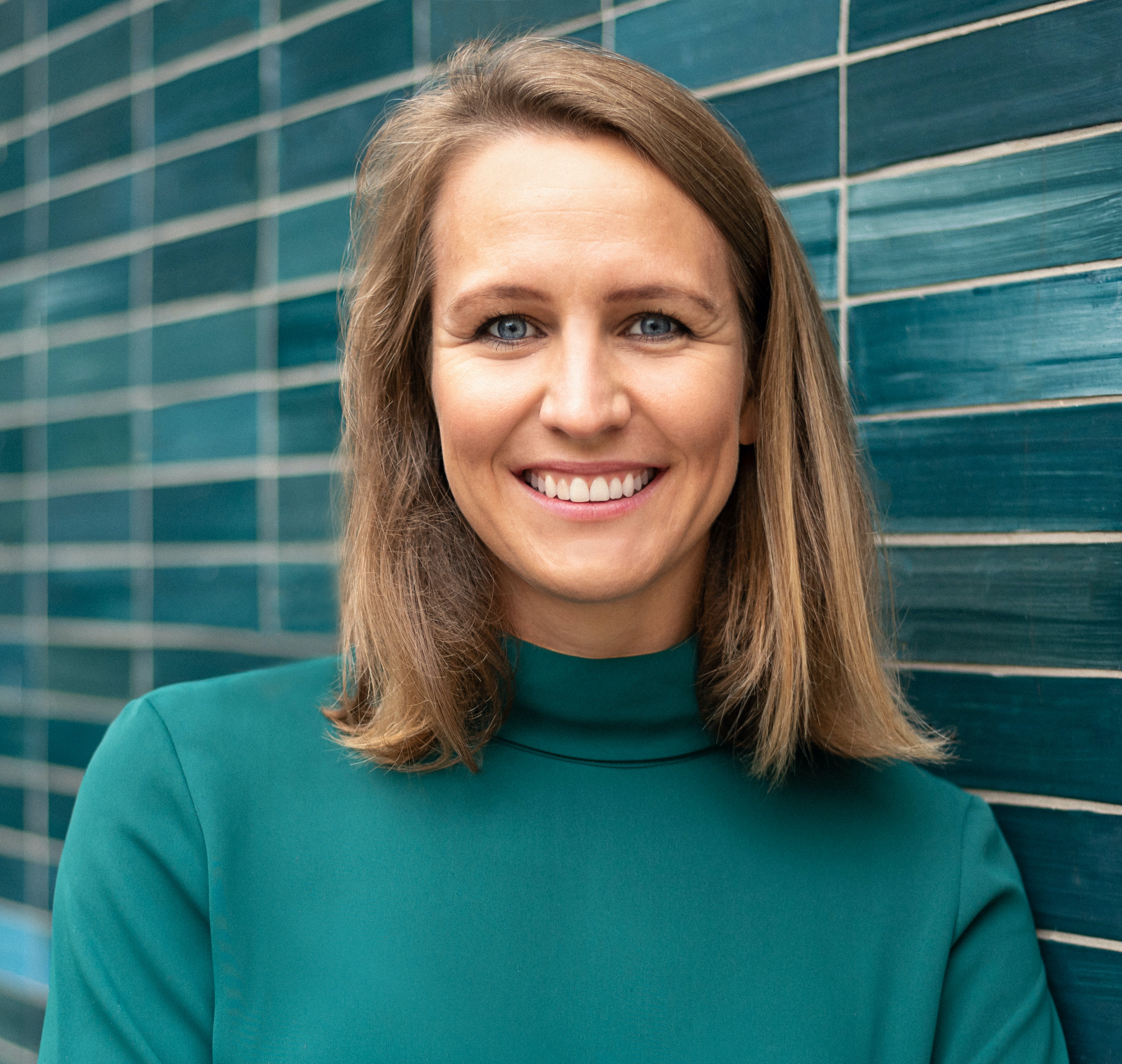 Chaired by Kristin Siegel
  Dr. Karen Wendt
 Where the big rounds come from
The technology works, and the next round has to pay for hardware and plants, not headcount. Where does that capital come from in Europe, and what does a company have to show to get it?
What actually worked
Climate portfolios, ten years in: what has paid, and what quietly hasn’t?
From pilot to purchase order
Corporates run many pilots and sign few purchase orders. What gets a climate startup from the innovation budget to a business unit’s budget, and who decides?
When sustainability pays
Take away the reporting requirement. Where has sustainability already won customers, cut costs or protected revenue — and what proof got the CFO to fund it?
Who buys these companies?
Exits for climate deep tech: which industrials are actually shopping, and what makes a company buyable?
Who is leading the afternoon
The people chairing the tables and the fireside chats.
Itsuma Tanaka
CEO
DOCOMO Euro-Labs

Itsuma Tanaka is CEO of DOCOMO Euro-Labs, leading NTT DOCOMO’s European R&D and strategic collaborations across the telecom ecosystem. His work focuses on AI-native networks, autonomous operations, resilient and energy-efficient architectures, and 6G, exploring how advanced connectivity and AI can contribute to a more sustainable society. He has held leadership roles in global telecom standardization organizations and is a frequent international speaker on intelligent and sustainable networks. He holds an MBA from ESADE Business School (Spain) and an MEng from Imperial College London (UK).
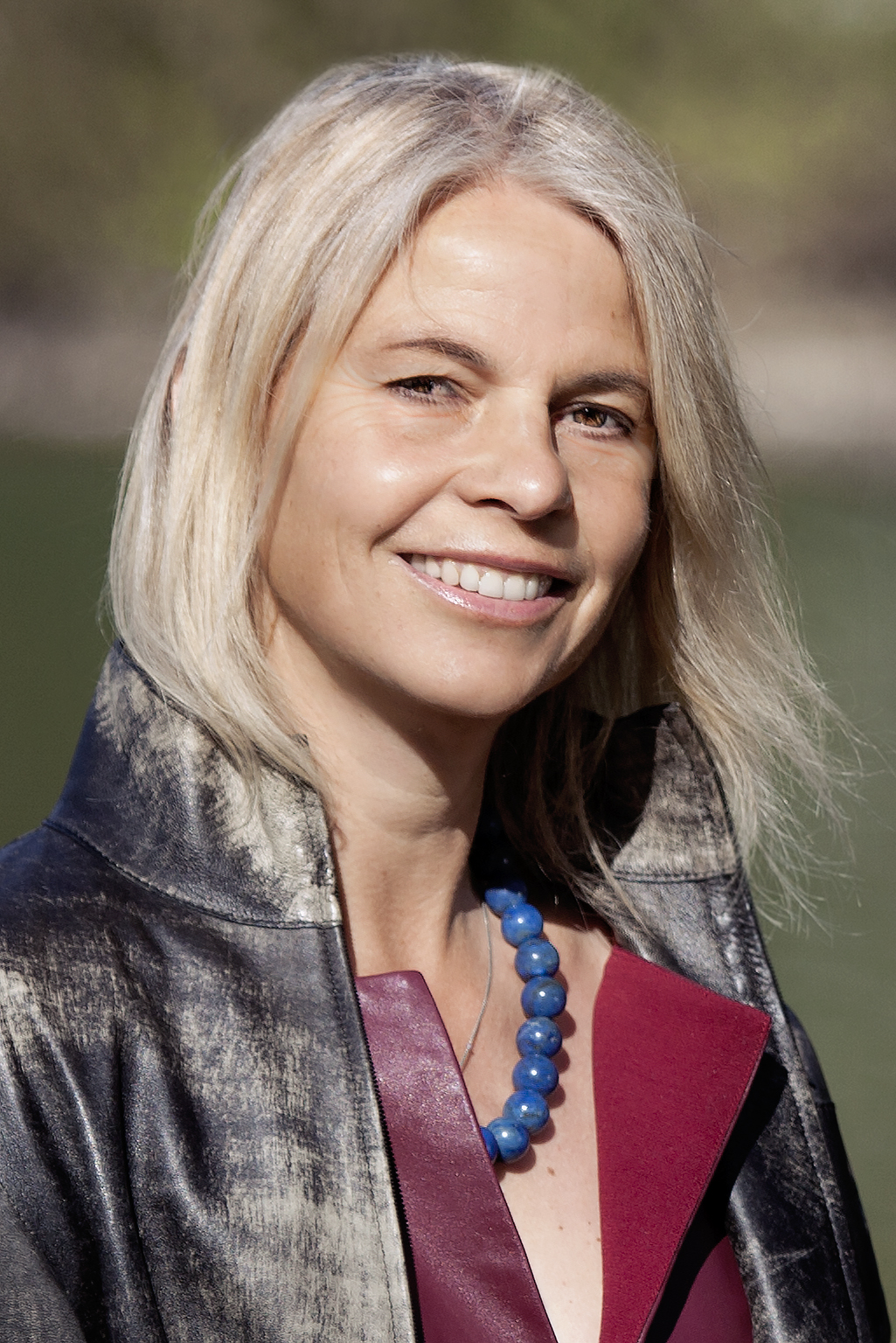
Dr. Karen Wendt
President
SwissFinTechLadies
I help companies create impact and help women to start investing. Top100 CEOs - MD Investment Bank -Angel Investor - Key Note Speaker A Speakers - Longevity researcher and publisher - Editor Springer Nature Sustainable Finance - Founder SwissFinTechLadies - Corporate Training & Female Angel Club Founder - Intelligent Impact Economy (TM) researcher
Dr. Sonja Stuchtey
CEO
The Landbanking Group

Co-Founder of The Landbanking Group, infrastructure to refinance the living world. Sonja has a record as founder of pioneering responsible businesses, leveraging technology for good. A seasoned executive, board member of Alliance 4 Europe and Capitals Coalition, she has been recognised as Trailblazing Woman in Climate by Reuters.

Navjit Dhaliwal
CEO
Iagon
Dr. Navjit Dhaliwal is the CEO and co-founder of Iagon, a sovereign data infrastructure company building decentralized storage and compute for organizations that require greater control over privacy, security, compliance, and data jurisdiction. With a background in healthcare, he founded Iagon after seeing the limitations of centralized systems for managing sensitive data. Today, he leads Iagon’s work with enterprises adopting decentralized infrastructure across data, AI, and digital assets.
Lucio Milanese
Co-Founder & Chief External Affairs Officer
Proxima Fusion GmbH
Lucio Milanese is Co-Founder and COO of Proxima Fusion, and a theoretical plasma physicist with an academic career spanning three continents. After undergraduate studies in physics at Imperial College London and short research stints at the California Institute of Technology and EPFL, he joined the Nuclear Science and Engineering department at MIT in 2016, where he carried out research on computational plasma turbulence with applications to fusion and astrophysical environments, publishing results in top academic journals. In 2021-2022 he pursued, as a Schwarzman Scholar, a Master of Management in Global Affairs at Tsinghua University in Beijing. His passion lies at the intersection of technology, business and policy.
Kristin Siegel
Managing Director Global Engagement
Toniic

Kristin Siegel is the Managing Director of Global Engagement at Toniic, where she fosters and cultivates a vibrant and active global community of private impact investors, with the goal of accelerating the flow of capital and collective action toward positive social and environmental outcomes. Prior to Toniic, Kristin served as a Financial Wealth Advisor and Multi-Asset Portfolio Manager at Deutsche Bank and Bank Julius Bär Europe in Germany and Switzerland. Kristin also contributes her expertise to the advisory boards of the Coalition for Impact and Clementine Capital.
Paula Auer-Saupe
Senior Programme Manager
TÜV SÜD AG
Paula has more than 19 years of industry experience in sustainability, from carbon management and green hydrogen to energy efficiency. Her focus is on accompanying industry through its decarbonisation process, bringing transparency into the system through third-party assessment. Paula holds a diploma degree in environmental engineering. She has worked in international and interdisciplinary teams across different industries.
What this room is not
During this week in Munich, everyone with capital is being sold to. This afternoon is deliberately the opposite, and we hold guests to it.
Nobody is raising in this room
No pitching to investors, no decks, no soliciting. Founders are here to be met, not to sell. If a conversation deserves a follow-up, it happens after the tent.
Bring your partner
Oktoberfest is not a conference. Every guest is welcome to bring their spouse or partner.
No badges, no booths, no press
Nothing is recorded, nothing is broadcast, and there is no sponsor signage anywhere in the tent.
Invitation only
Express interest below. We read every request and send invitations directly to the guests we select.
Express interest
Tell us who you are. It takes a minute.
We review
Every request is read personally — the room is curated.
Personal invitation
Selected guests receive a direct invitation with the details.
Tell us who you are
Seats are limited and the room is curated. If you’d like to be there, let us know.
Want to help run the room instead? Volunteer with us.
Tech for Climate is part of Tech for Impact — growing from a single annual summit in Tokyo into a year-round series of gatherings around the world, bringing technology and capital together against the climate crisis. Tech for Impact has convened leaders including Audrey Tang, Taro Kono, Takuya Hirai, Charles Hoskinson, and Kathy Matsui.