Power and the grid
Where will the next gigawatts come from, and how fast can they connect?
Grid access, new clean generation, storage, on-site power and who carries the development risk.
An invitation-only lunch on AI infrastructure and climate
The next constraint on AI is physical: power, chips, cooling, or a place to build.
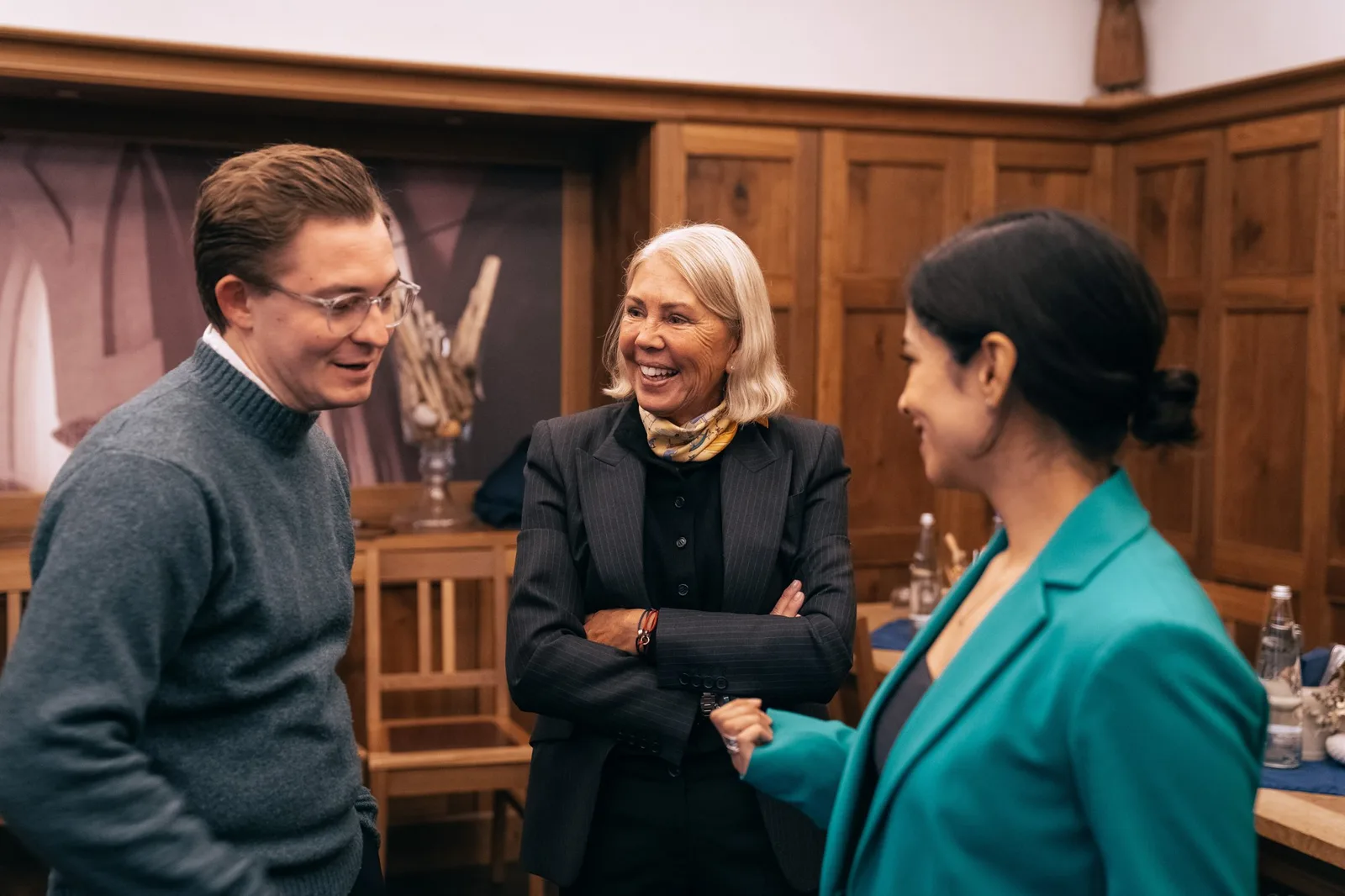
Family offices, private investors, founders and industry leaders around the same table. A lunch on what AI and data centres need to keep scaling: power and grid access, cooling and chips, networks and sites, critical materials, and the capital to build all of it faster, cleaner and with fewer single points of failure. It is also a climate question: this is where much of the new electricity demand, water use and emissions of the next decade will come from. Built to bridge Korea, Japan, the US and Europe.
Want to help run the day? Volunteer

Co-hosted by
Draper Dragon Orion Fund
Under the auspices of
Consulate General of Japan in San Francisco在サンフランシスコ日本国総領事館
The conversation
Behind every model is physical infrastructure: data centres, grids, chips, cooling, fibre and the materials underneath them. Each one is a bottleneck somewhere right now, and together they decide how much new power, water and carbon AI adds to the world. Clearing them, and clearing them cleanly, involves the people financing the buildout, the founders building it and the companies that put it to work.
We start with small, chaired roundtables, then continue over lunch and a fireside chat. Bring the constraint you are working on, hear where others are blocked, and compare what is actually moving.
We want this lunch to bridge Korea, Japan, the US and Europe. The host, Seira Yun, works between Europe and Asia, so those questions come up at every table: Japanese, Korean and European corporates as customers, suppliers and partners for US builders, capital moving between the three regions, and who builds the next data centre, fab or plant where.
Part of the Tech for Impact series: a summit in Tokyo every May and gatherings through the year across Asia, Europe and the US.
Participation is by invitation. Seat requests are reviewed individually.
Four regions, one table
Every Tech for Impact gathering brings these four regions to the same table. Each has its own event in the series, and each sends people to the others.
Three summits in Tokyo so far. Tech for Impact Summit 2027 at the United Nations University, 18–19 May.
Tech for Impact Summit Japan →Tech for Impact: Korea follows in October 2027. City to be announced.
Tech for Impact: Korea →This lunch is our first US gathering. A full US edition is in planning.
Tech for Impact US →Tech for Climate and The Allocators’ Table in Munich this autumn. Tech for Impact Europe follows on 29–30 September 2027.
Tech for Impact Europe →Joining on 18 November
Confirmed participants, added as they confirm.
Previous speakers
A few of the people who have taken the stage and chaired the tables across the series. All speakers →
 Audrey Tang Taiwan's first Digital Minister
 Charles Hoskinson CEO & Founder, Input Output Group
 Taro Kono Former Foreign, Defense and Digital Minister of Japan
 Kathy Matsui General Partner, MPower Partners; former Vice Chair, Goldman Sachs Japan
 Tshilidzi Marwala Rector, United Nations University; UN Under-Secretary-General
 Michael Levin Vannevar Bush Professor of Biology, Tufts University
 Yat Siu Co-founder and Executive Chairman, Animoca Brands
 Takuya Kitagawa President, QuEra Computing; former Chief Data Officer, Rakuten
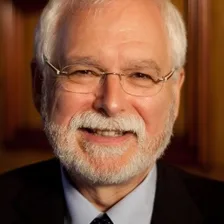 John Donoghue Professor of Neuroscience and Engineering, Brown University; brain-computer interface pioneer
 Rika Nakazawa Chief Commercial Innovation, NTT
 Jesper Koll Expert Director, Monex Group and the Japan Catalyst Fund
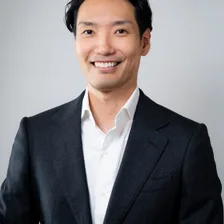 Kiyoshi Seko President, Kyoto Fusioneering
Discussion themes
Proposed themes. Tables and chairs will be confirmed before the event. Most of these are climate questions as much as infrastructure questions: where the power comes from, how much water a site draws, what the materials cost in carbon.
Power and the grid
Grid access, new clean generation, storage, on-site power and who carries the development risk.
Cooling and chips
Cooling, chip and system efficiency, and the path from a working technology to deployment at scale.
Building the data centre
Sites, permitting, water, construction, fibre, the carbon in the concrete and steel, and the people who run it once it is live.
Materials and capital
Critical materials, components and industrial capacity, the lead times behind them, and the capital needed to build more.
Across the Pacific and the Atlantic
Japanese, Korean and European corporates and investors in US buildouts, and US technology in theirs.
Roundtables follow the Chatham House Rule: you may use what you learn, without revealing any participant's identity or affiliation.
The day
Wednesday, 18 November 2026
All times are PST (California).
Meet the people joining your table.
One question per table, with a peer chairing the discussion.
Continue the conversation over lunch.
Speakers will be announced once confirmed.
Time to return to the day, or keep talking.
San Francisco Bay Area
44 E 3rd Avenue, San Mateo, CA 94401. Downtown San Mateo, on the Peninsula between San Francisco and Palo Alto.
18 November 2026 · Silicon Valley
Tell us about your work and the discussion you'd like to be part of. We'll email you if your request is approved.
Request a seatQuestions? [email protected]