%402x.svg)
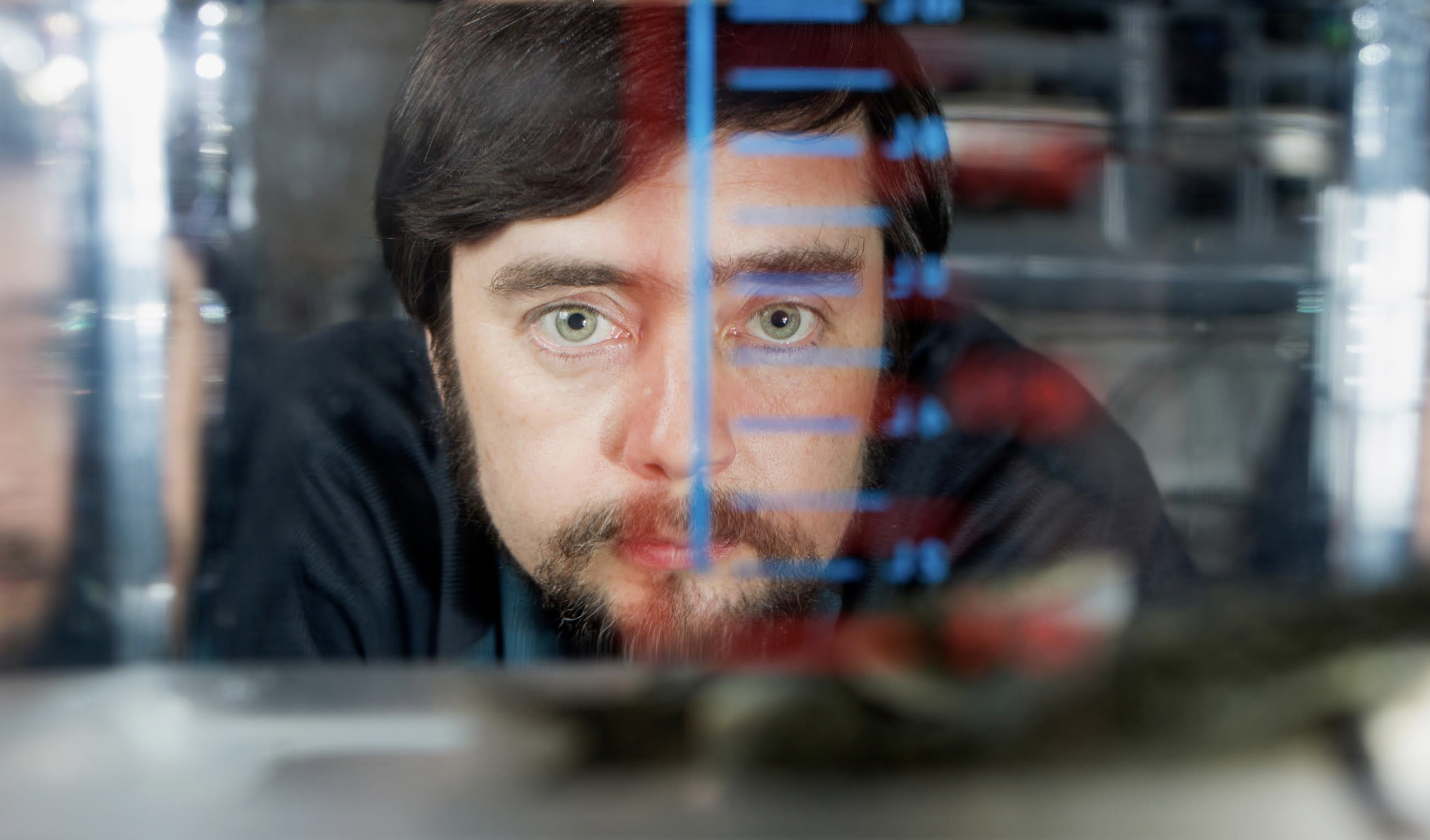
Michael Levin is the Vannevar Bush Distinguished Professor of Biology at Tufts University, and associate faculty at Harvard’s Wyss Institute. He serves as the director of the Allen Discovery Center at Tufts and the co-director of the Institute for Computationally Designed Organisms at Tufts/UVM. He has published over 430 peer-reviewed publications across developmental biology, computer science, and philosophy of mind. Dr. Levin received dual B.S. degrees in computer science and biology, followed by a Ph.D. from Harvard with Clifford Tabin. His graduate work on the molecular basis of left-right asymmetry (Cell 1995) was chosen by the journal Nature as a “Milestone in Developmental Biology in the last century”. He did post-doctoral training at Harvard School of Medicine in cell biology, and started his independent lab in 2000, developing the first molecular tools to read and write bioelectric prepatterns in non-neural tissue. His group at Tufts works to understand information processing and problem-solving across scales, in a range of naturally evolved, synthetically engineered, and hybrid living systems. The Levin lab has pioneered approaches to organ regeneration, cancer reprogramming, non-genetic modification of the bodyplan, and the engineering of novel living proto-organisms. Using tools from behavioral and computer science, Dr. Levin seeks to understand the collective intelligence of cells and harness their problem-solving capacities for applications in birth defects, regeneration, cancer, and synthetic bioengineering.
マイケル・レヴィン(Michael Levin)博士は、タフツ大学のヴァネヴァー・ブッシュ記念生物学教授(Vannevar Bush Distinguished Professor of Biology)であり、ハーバード大学Wyss研究所の准所属教員(Associate Faculty)も務めています。また、タフツ大学におけるアレン・ディスカバリー・センター(Allen Discovery Center)の所長、およびタフツ大学とバーモント大学(UVM)にまたがる計算設計生物研究所(Institute for Computationally Designed Organisms)の共同所長(Co-Director)でもあります。
レヴィン博士は、発生生物学、コンピュータサイエンス、心の哲学の分野で430本以上の査読付き論文を発表してきました。大学ではコンピュータサイエンスと生物学の2つの学士号(B.S.)を取得し、ハーバード大学でクリフォード・タビン(Clifford Tabin)教授の下で博士号(Ph.D.)を取得しました。彼の博士課程における左右非対称性の分子基盤に関する研究(Cell誌、1995年)は、『Nature』誌によって「20世紀における発生生物学のマイルストーン」の一つに選ばれました。
その後、ハーバード医科大学(Harvard Medical School)で細胞生物学のポスドクトレーニングを受け、2000年に独立した研究室を開設。非神経組織における生体電気的プレパターンを読み書きする最初の分子ツールを開発しました。現在、タフツ大学のレヴィン研究室では、自然進化、生物工学、そしてハイブリッドな生体システムにおいて、スケールを超えた情報処理と問題解決能力の理解を目指しています。彼の研究チームは、臓器再生、がんの再プログラミング、非遺伝的な体制(ボディプラン)の改変、新しい生体プロト・オーガニズムの設計といった分野で先駆的なアプローチを開発してきました。
レヴィン博士は、行動科学やコンピュータ科学のツールを用いて、細胞の集合的知性(collective intelligence)を理解し、その問題解決能力を、先天異常、再生医療、がん治療、合成バイオエンジニアリングといった応用分野で活用することを目指しています。

%2C%20Style%3DGray%2C%20State%3DDefault.svg)
