SusHi Tech Tokyo 2027完全ガイド:5月20〜22日開催決定、東京イノベーションウィークの全体像
SusHi Tech Tokyo 2027は5月20〜22日に開催決定。過去最大規模となった2026年の実績と、招待制サミットTech for Impact Summit(5月18〜19日)の位置づけを解説。
The Tokyo Metropolitan Government has set its dates. SusHi Tech Tokyo 2027 will run May 20–22, following a 2026 edition that closed with 60,779 participants and 798 exhibiting startups. For executives and investors planning next year’s calendar, that settles the dates. This guide covers what SusHi Tech Tokyo is, what the 2026 results suggest about 2027, and how to plan the week around it.
As of this writing, the Tokyo Metropolitan Government has confirmed the 2027 dates and little else — no venue, no theme, no program. Where this guide describes format, it draws on the 2026 edition and says so. We will update this page as official details land, just as we did with our SusHi Tech Tokyo 2026 guide.
What Is SusHi Tech Tokyo?
SusHi Tech stands for Sustainable High City Tech Tokyo — the Tokyo Metropolitan Government’s flagship platform for solving urban problems with technology, and the anchor event of Tokyo’s startup ecosystem push. The name is a play on sushi: raw material, skill, and a product the world associates with Tokyo.
In practice, SusHi Tech Tokyo is a large-scale startup expo and conference. The 2026 edition, held April 27–29 at Tokyo Big Sight, combined a startup exhibition floor, keynote and panel programming, a city-leaders track for municipal delegations, structured business matching, and the SusHi Tech Challenge pitch contest. The first two days were business days for registered attendees; the final day opened to the public.
Founders, corporate venture arms, institutional investors and government delegations from abroad are all in one exhibition complex for three days. For a firm evaluating Japan for investment, partnership or market entry, it is the one week of the year when most of the people worth meeting are in the same building.
What the 2026 Numbers Say About 2027
The official 2026 results: 60,779 participants, 798 exhibiting startups, and more than 25,140 business meetings over three days.
With close to 800 startups on the floor, walking it without a plan costs a day. The 25,140 meetings came through the event’s business-matching platform, which is the most useful tool a first-time attendee has and fills up early.
For 2027, expect the Tokyo Metropolitan Government to push for continuity at minimum. The dates — Thursday to Saturday, May 20–22 — suggest the established rhythm: business-focused days first, a public day to close. Venue and program are unannounced; we will not guess at them here.
How to Read an Innovation Week
Anyone who has done Davos, VivaTech or Web Summit knows the shape of the week. A headline event anchors the calendar, and the days around it fill with investor dinners, embassy receptions, corporate showcases and private roundtables.
An exhibition floor with tens of thousands of people on it is good for scanning startups, taking first meetings and getting a read on the market. It is a poor place for a two-hour conversation about capital, partnership or policy. Those happen in smaller rooms, and the useful ones are the rooms where someone has chosen the guest list.
Open satellite events, meetups and receptions are hard to plan around and mostly produce chance encounters. Invitation-only gatherings are where an organiser has taken responsibility for who attends and what gets discussed. Most executive trips to Tokyo underbook the second kind.
So: book the expo for coverage, and book a curated room for the conversations that need a private room. Before accepting any satellite invitation, find out who put the list together.
Tech for Impact Summit: The Executive Summit Before the Expo, May 18–19
Our own event is one of those rooms. Tech for Impact Summit 2027 — the fourth annual edition — takes place in Tokyo on Tuesday and Wednesday, May 18–19, 2027, in the two days before SusHi Tech Tokyo opens, at the United Nations University headquarters in Shibuya, which co-hosts it.
T4IS is an invitation-only summit for senior executives, investors, and policy leaders working on one question: how to deploy frontier technology against the world’s hardest problems, from climate to health to governance. There is no exhibition floor. Sessions run as keynotes, working panels and private strategy dialogues that are not recorded or reported.

The speaker history gives a sense of the room. Past editions have featured Audrey Tang, Taiwan’s first Digital Minister; Taro Kono, Japan’s former Digital Minister; Charles Hoskinson, founder of Cardano, who has keynoted three years running; Kathy Matsui of MPower Partners; Yat Siu of Animoca Brands; GLOBIS founder Yoshito Hori; Ken Shibusawa; economist Jesper Koll; and Masaaki Taira, member of Japan’s House of Representatives. The full roster is on the speakers page.
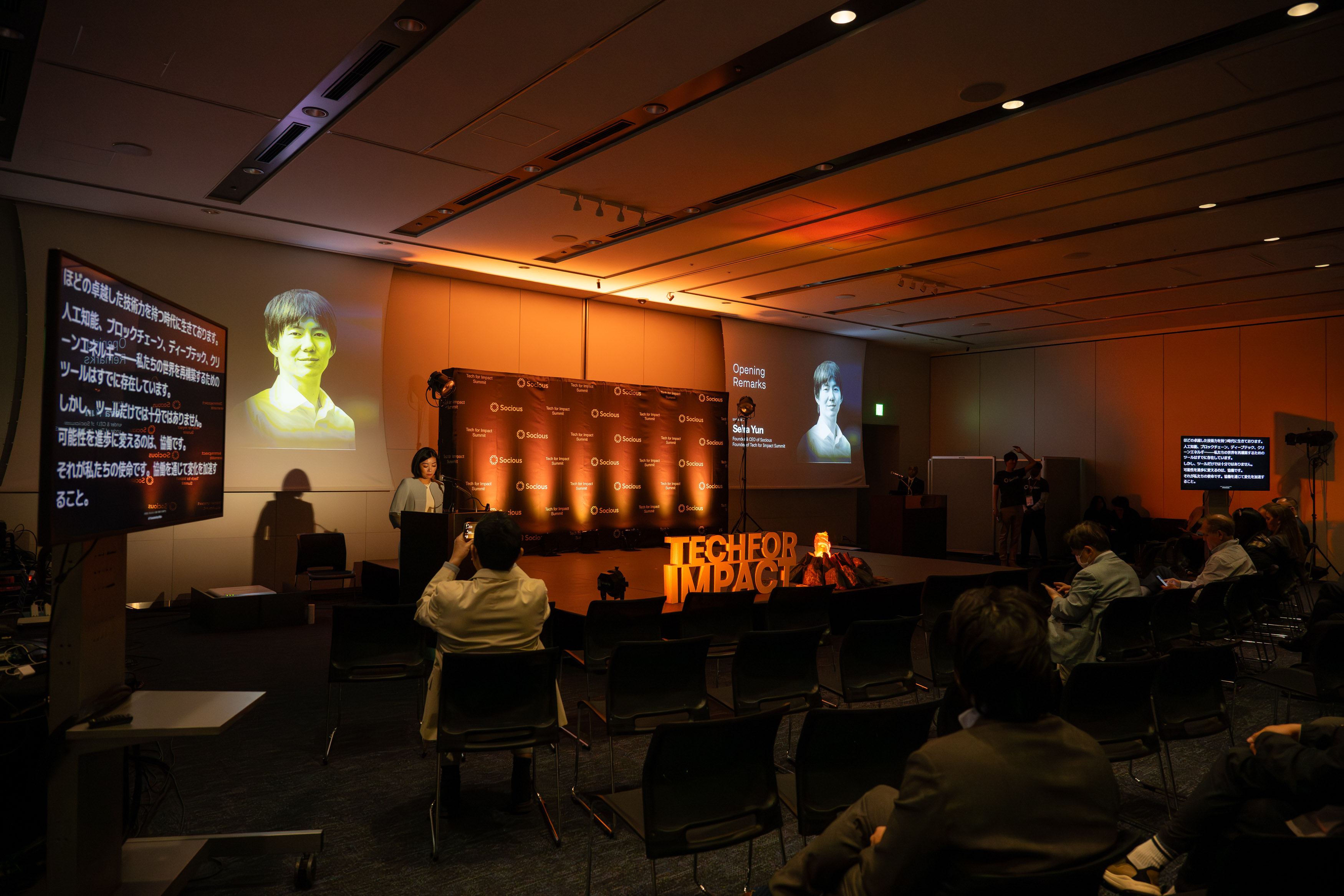
The 2026 edition, held this past April under the theme “Beyond Boundaries,” ran the day before SusHi Tech opened. Executives arrived in Tokyo one day early, spent it in sessions with the people they had come to see, and went into the expo week with those conversations done. For 2027 the summit expands to two days in the same position in the week.
For organizations rather than individuals, T4IS partnership operates in three tiers — Catalyst, Vanguard, and Principal — each combining summit seats with a year-round presence across the Tech for Impact event series. Details are on the membership page.
Planning the Week: A Practical Sequence
A Tokyo itinerary built around these dates:
- Monday, May 17 — Arrive. Mid-May in Tokyo is warm, before the humidity, and after Golden Week, so offices are back at full speed.
- Tuesday–Wednesday, May 18–19 — Tech for Impact Summit. Two days of executive sessions before the expo opens.
- Thursday–Saturday, May 20–22 — SusHi Tech Tokyo. If 2027 follows the 2026 format, prioritize the first two business days for meetings and use the matching platform well before you land; the closing public day is lighter and good for a second pass at specific booths.
Book accommodation early; the event calendar makes mid-May a busy week for the city, and the neighborhoods convenient to the major venues go first.
The Invitation
SusHi Tech Tokyo 2027 registration will open through the official channels in due course, and this guide will be updated as the program takes shape.
Tech for Impact Summit seats are allocated by invitation. Applications for the 2027 summit have not yet opened. The waitlist is open now, and those on it will be the first to receive an invitation when they do.