日本のグリーンスチール、難しいのは需要側だ
日本は高炉から電炉への転換に3,000億円超の公的資金を投じています。未解決なのは、その鋼材の割高分を誰が負担するのかという問題です。
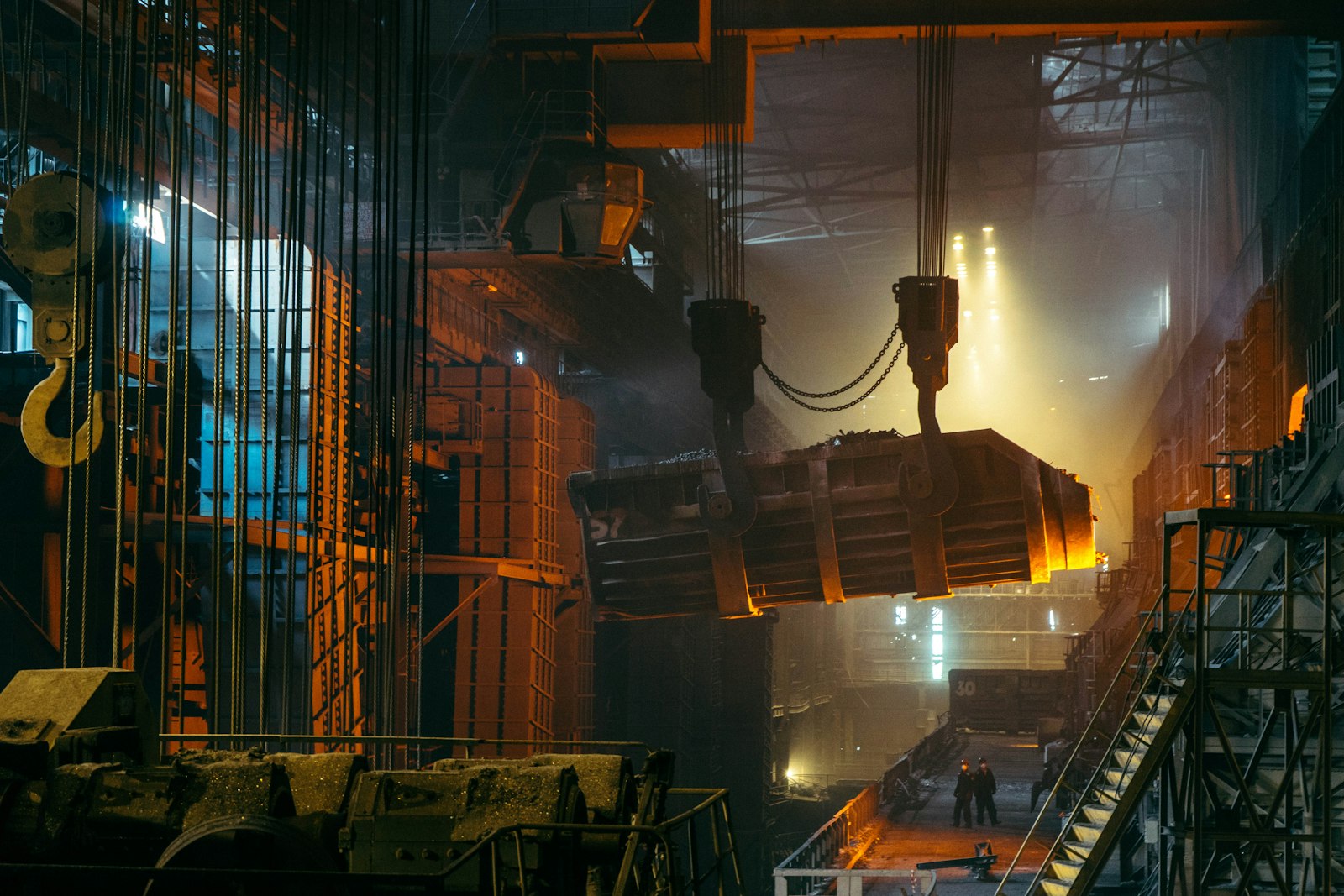
JFE Steel is building an electric arc furnace at Kurashiki. It will make about two million tons of steel a year, cost ¥329.4 billion, and start producing in the first quarter of the fiscal year that begins in April 2028. A maximum of ¥104.5 billion of the cost is expected to come from a government grant (JFE Steel, 10 April 2025).
Nippon Steel is doing the same thing at three sites. The Renewable Energy Institute counts the government support behind both companies’ conversion projects at more than ¥300 billion: ¥42.8 billion at Hirohata and ¥208.7 billion across Yawata and Shunan for Nippon Steel, ¥104.5 billion at Kurashiki for JFE (Renewable Energy Institute, Yuko Nishida, October 2025).
To qualify for the money, a conversion has to cut CO₂ emissions by at least 50 percent against the process it replaces (Renewable Energy Institute). That threshold rules out the cosmetic version of the project.
What the subsidy does not do is set a price. It pays for the furnace, not for the steel, and no Japanese buyer is yet obliged to pay the difference.
The technology is at one ton
Between 29 June and 1 July 2026, JFE Steel ran a hydrogen reduction trial at a 15 kg per hour pilot plant at its East Japan Works in Chiba and produced about one metric ton of directly reduced iron. The hydrogen came from a 1.5 MW electrolyser in Yamanashi Prefecture and was trucked to the site. The work sits under NEDO’s Green Innovation Fund project on hydrogen use in steelmaking (Association for Iron & Steel Technology).
One ton, against a Kurashiki furnace rated at two million tons a year, is the distance left to cover on direct hydrogen reduction. Kobe Steel has taken the other route and cut CO₂ by 25 percent in a blast furnace demonstration (Renewable Energy Institute). Neither has replaced a blast furnace at commercial scale, which is why Japan’s near-term answer is the electric arc furnace.
What Japanese mills sell today
The furnaces are not running, so almost none of the low-carbon steel Japanese mills sell right now comes from them. It is sold on a mass-balance basis.
Mass balance works like a renewable-electricity certificate. A mill achieves some quantity of emissions reduction somewhere in its operations, then allocates that reduction to particular customer orders as an accounting entry. The customer takes delivery of ordinary steel and a documented claim to the reduction. Nippon Steel, JFE and Kobe Steel each sell a branded product this way.
It is a reasonable bridge. A mill can sell an incremental reduction before its capital project lands, and a buyer can start writing the procurement clause it will need in 2028.
It is also not the same product. Yuko Nishida of the Renewable Energy Institute argues the method has a shelf life of about ten years and should not stay relevant much past 2035. The electric arc furnaces are supposed to reach scale over roughly the same period.
For a company writing a 2030 or 2035 steel target into a transition plan now, an allocated reduction and a physically lower-emission tonne are two different things, and only one of them survives assurance as a measured figure.
The buyer-side instruments are small
Japan’s 2023 GX Basic Policy set a supply target of 10 million tons of green steel by 2030 (InfluenceMap). Supply targets are the easy half. Steel from an electric arc furnace running on Japan’s current grid costs more than steel from a blast furnace that was paid off years ago, and no policy so far has made a Japanese manufacturer indifferent to that gap.
The first attempt arrived quietly. From FY2025, Japan’s Clean Energy Vehicle subsidy pays up to an additional ¥50,000 for a vehicle built with steel from innovative electric arc furnaces, with carmakers submitting their low-emission steel procurement for evaluation. Green-steel criteria were also written into preferential procurement under the Act on Promoting Green Procurement (Renewable Energy Institute).
Fifty thousand yen per car is a rounding error next to ¥300 billion. Its design is what makes it worth reading. The subsidy scales with the share of qualifying steel in the vehicle, so a carmaker’s steel sourcing becomes a line item with a number attached.
METI set up its Study Group on Green Steel in October 2024 and released its findings in January 2025, and the FY2025 instruments follow from that work (InfluenceMap). The same record puts the anticipated global market for green steel at around 500 million tons a year, roughly ¥40 trillion, by 2050 — a projection rather than a measured figure, and one made by people with an interest in the answer.
METI has more procurement levers than the car subsidy. Public construction is the large one, and nothing has been priced there yet.
The carbon price binds late
A carbon price high enough to close the gap on its own would settle the question. Japan is building one. The GX League has drawn more than 700 participating companies, and the GX-ETS moves into its mandatory phase for large emitters, which we covered in Japan’s GX-ETS goes mandatory.
The timing sits awkwardly against the steel projects. Kurashiki starts producing in FY2028. A price signal that becomes binding around then cannot inform an investment decision taken in 2025. It can only validate or punish it afterwards.
The EU’s border adjustment runs on its own schedule, which we set out in Asia’s CBAM reckoning. For a Japanese mill selling into Europe, CBAM is the buyer-side instrument that already has teeth, and it wants a measured emissions figure rather than an allocated one.
A domestic carbon price that binds late and a foreign border price that binds now is why the steel conversations in Tokyo this year keep turning to export exposure.
What to ask a supplier
Most low-carbon steel sold in Japan today is a mass-balance claim, and the offer will not always say so. Ask whether the tonne being delivered is itself lower-emission, or whether a reduction achieved somewhere else in the mill has been assigned to your order. The price and the audit trail differ in the two cases.
The boundary is the second thing to check. A supplier figure drawn on a boundary that does not match your own Scope 3 methodology hands your reporting team work instead of data.
If any of the finished product goes to Europe, CBAM settles the question for you. It wants a measured figure at the installation and does not read a Japanese mass-balance certificate.
In most companies the person who can answer those three is in procurement, not in the sustainability team.
Japan’s furnaces, Europe’s technology suppliers
Tech for Impact Summit 2027 runs in Tokyo on 18–19 May under the theme One Planet, Built Across Borders. Steel is the plainest case for it. Japan has the demand, the industrial base and, now, the public capital. Much of the technology the transition consumes — electrolysers, hydrogen handling, low-carbon iron processes, industrial heat — is being built in Europe, which is the argument we made in Japan’s ¥150 trillion decarbonisation bill.
A European electrolyser company without a Japanese industrial buyer is running a demonstration. The Japan–Europe Green Corridor strategy dialogue at T4IS2027 exists to fix that, in closed session, with the people who sign on both sides.
The next thing to watch is whether METI writes green-steel criteria into public construction procurement the way it wrote them into the car subsidy.
T4IS2027 is invitation-only. If your work sits on either end of that corridor, you can request an invitation.